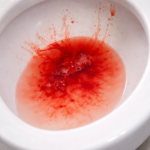
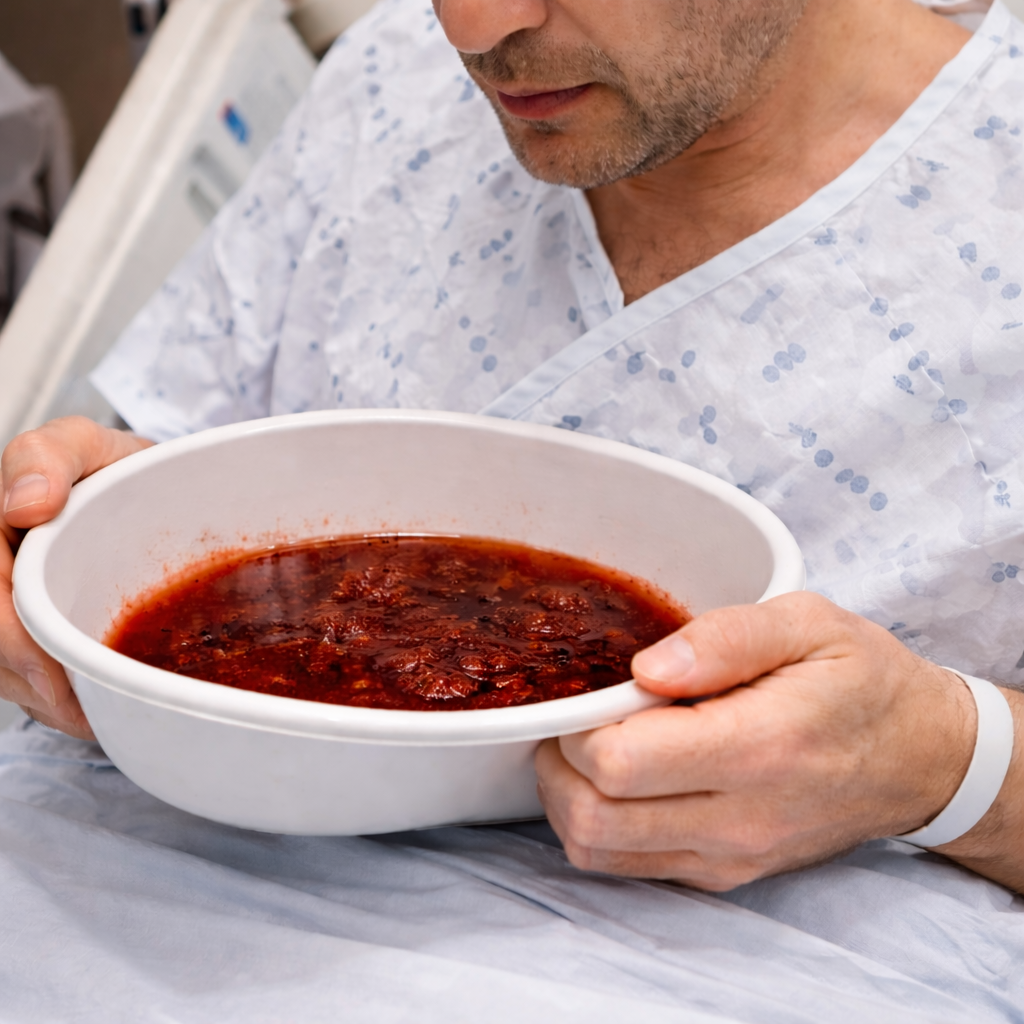
There are few sights in medicine that still silence a room. A patient vomiting blood is one of them.
Bright red or coffee-ground, slow or torrential, it transforms vague symptoms into undeniable urgency. This is no longer discomfort or indigestion. This is acute gastrointestinal haemorrhage, and it demands immediate attention, calm thinking, and disciplined action.
The first mistake clinicians make is to chase the cause before securing the patient. The second is to underestimate how quickly physiology can unravel.
First priorities: saving the patient, not the diagnosis
When faced with a patient vomiting blood, the most important decision is not what caused it, but whether the patient is stable. Bleeding kills by hypovolaemia, hypoxia, and shock long before it kills by pathology.
Resuscitation follows a simple but unforgiving logic. Airway protection comes first, especially in patients with ongoing haematemesis, reduced consciousness, or alcohol intoxication. Blood in the stomach belongs nowhere near the lungs. Oxygen is given early. Two wide-bore intravenous lines are placed without negotiation. Blood is drawn immediately for haemoglobin, coagulation profile, liver function, and crossmatch.
Fluids restore circulating volume, but blood restores oxygen delivery. Early transfusion is life-saving in significant haemorrhage, guided not just by haemoglobin but by haemodynamics and ongoing loss. Coagulopathy is corrected aggressively, particularly in patients with liver disease or those on anticoagulants.
Only once the patient is physiologically secure does investigation begin. Skipping this order costs lives.
Why patients vomit blood: the common culprits
Most upper gastrointestinal bleeding originates from the oesophagus, stomach, or duodenum. The causes are common, predictable, and often preventable.
Duodenal and gastric ulcers remain the dominant sources. They bleed when acid erodes into submucosal vessels, often silently until haemorrhage occurs. Helicobacter pylori infection and non-steroidal anti-inflammatory drugs form a dangerous alliance here, weakening mucosal defences and promoting ulceration.
Gastric erosions are shallower but widespread, often caused by NSAIDs, alcohol, stress, or critical illness. Individually they bleed little; collectively they bleed a lot.
Oesophageal varices bleed for an entirely different reason. Portal hypertension forces blood through fragile collateral veins that were never designed to handle pressure. When they rupture, bleeding is brisk, frightening, and lethal without rapid control.
Mallory–Weiss tears occur when forceful vomiting splits the mucosa at the gastro-oesophageal junction. Alcohol, retching, and pregnancy are common triggers. Bleeding is dramatic but often self-limiting.
Oesophagogastric cancer bleeds insidiously or catastrophically, depending on erosion into vessels. Weight loss, dysphagia, and anaemia often precede the bleed, but sometimes haematemesis is the first clue.
Endoscopy: the turning point
Once the patient is stable, oesophago-gastro-duodenoscopy (OGD) becomes the most powerful tool in management. It is diagnostic and therapeutic in equal measure.
OGD allows direct visualisation of the bleeding source, risk stratification, and immediate intervention. Ulcers can be injected, clipped, or cauterised. Varices can be banded. Active bleeding can be stopped before it restarts.
Timing matters. Early endoscopy, ideally within 24 hours and sooner in unstable patients, reduces rebleeding, transfusion requirements, and mortality.
Colonoscopy plays a different role. It is essential in lower gastrointestinal bleeding, but in massive bleeding, it may also help identify a lower source once upper bleeding has been excluded. It is not an emergency tool in haemodynamic collapse, but a definitive one once stability is restored.
Risk factors and prevention: where the GP matters most
Upper gastrointestinal bleeding rarely arrives unannounced. It is often the end result of cumulative risk.
NSAID use, aspirin, anticoagulants, corticosteroids, alcohol excess, smoking, chronic liver disease, and untreated H. pylori infection all increase risk. Age compounds everything.
This is where primary care quietly saves lives. Rational prescribing, gastroprotection with proton pump inhibitors, testing and treating H. pylori, monitoring anticoagulation, and counselling on alcohol reduction prevent bleeds long before they reach the emergency department.
The best GI bleed is the one that never happens.
Investigations beyond endoscopy
Blood tests monitor severity and progression but lag behind acute loss. A normal haemoglobin does not exclude massive bleeding in the early hours.
CT angiography has emerged as a powerful tool when endoscopy fails or bleeding is intermittent. It localises active bleeding rapidly and guides further intervention.
Nuclear medicine scans can identify slow bleeds, though they are less useful in unstable patients.
Each investigation answers a specific question. None replace clinical judgement.
Interventional radiology and surgery: the final lines of defence
When endoscopy cannot control bleeding, interventional radiology often can. Targeted arterial embolisation can arrest bleeding without opening the abdomen, particularly in ulcer disease or post-operative haemorrhage.
Surgery is reserved for failure of all else or for specific indications such as perforation, malignancy, or uncontrolled variceal bleeding. It is decisive but dangerous, especially in shocked or cirrhotic patients. The threshold for operating is high, but delay in the right patient is fatal.
Pulling it all together
Vomiting blood is not subtle. It is the gastrointestinal tract announcing distress loudly and urgently. Management succeeds when clinicians respect sequence: resuscitate first, investigate second, treat definitively.
Understanding the common causes allows anticipation. Knowing when to scope, when to scan, and when to escalate saves time. Recognising risk factors prevents recurrence.
Professor’s closing words
Haematemesis frightens patients because it should. It frightens doctors because it can overwhelm. But handled correctly, with discipline and calm, it is a survivable crisis.
Secure the patient.
Find the source.
Stop the bleeding.
Prevent the next one.
Because when the gut bleeds, it does not ask for brilliance.
It asks for competence, delivered without delay.