Courses Don’t Make Experts, Practice Does
There is a quiet but persistent myth in modern professional life: attend a course, receive a certificate, and emerge somehow transformed into a competent practitioner. … Read more

There is a quiet but persistent myth in modern professional life: attend a course, receive a certificate, and emerge somehow transformed into a competent practitioner. … Read more
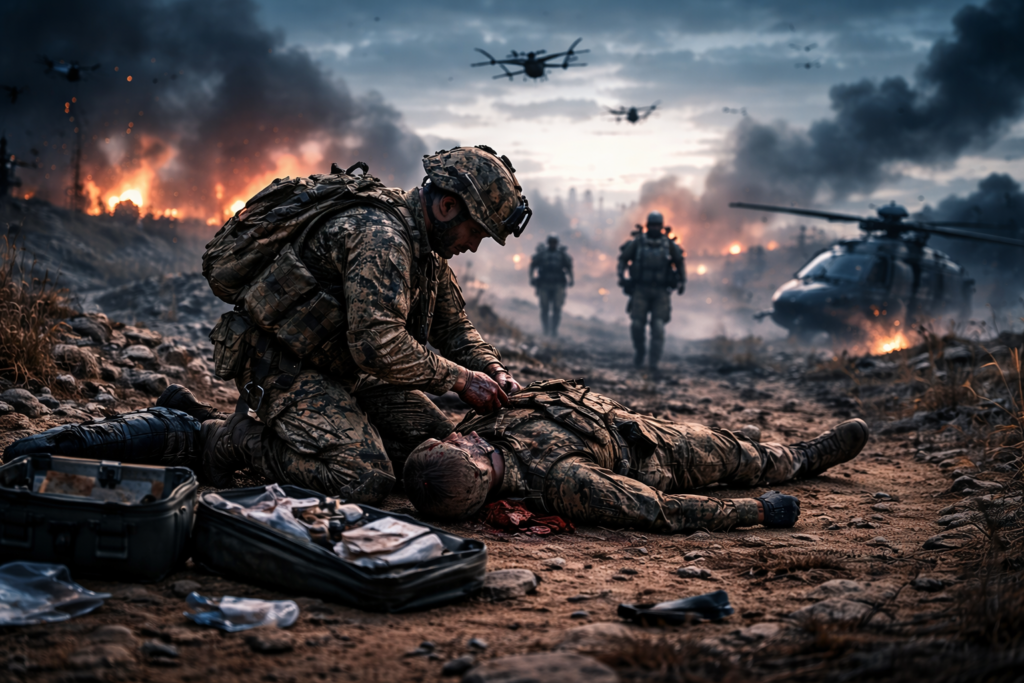
We tend to imagine the next war using the language of the last one. Frontlines. Forward operating bases. Evacuation corridors. Protected rear areas. Helicopters lifting … Read more

There is a particular confidence that comes from having done the thing yourself. Not read about it. Not watched someone else do it. Not quoted a … Read more
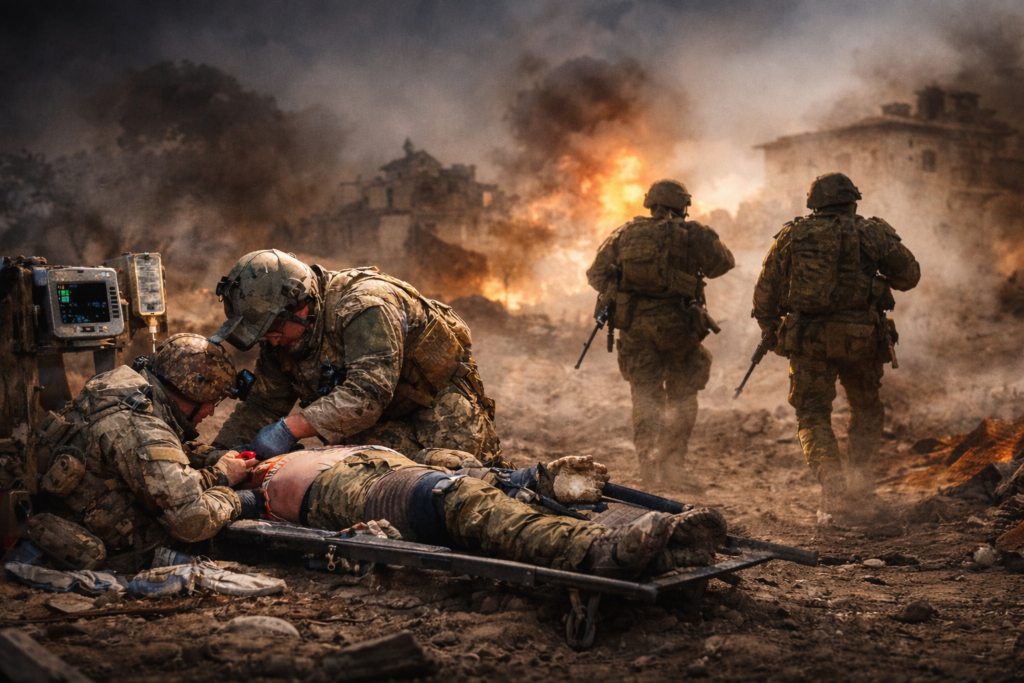
There is a great deal of conversation at the moment about prolonged field care, about evacuation denial, about scarce skill sets, high-value clinicians, and the … Read more
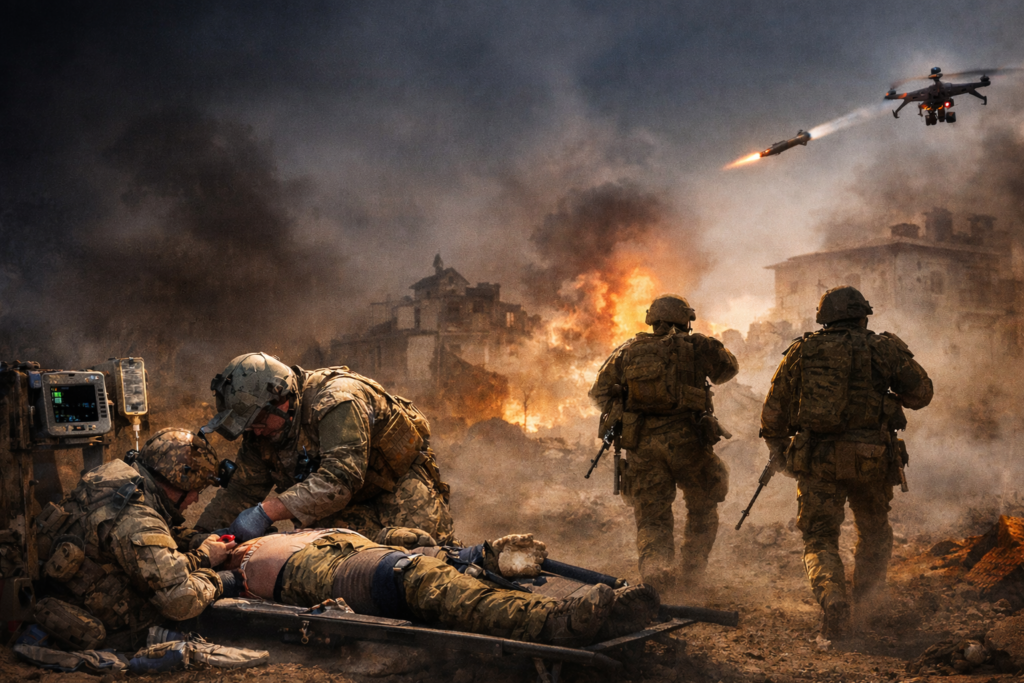
For decades, military medicine has been built around a comforting assumption: that there will always be a place behind the fight where casualties can be … Read more

There are few sights in medicine that still silence a room. A patient vomiting blood is one of them. Bright red or coffee-ground, slow or … Read more
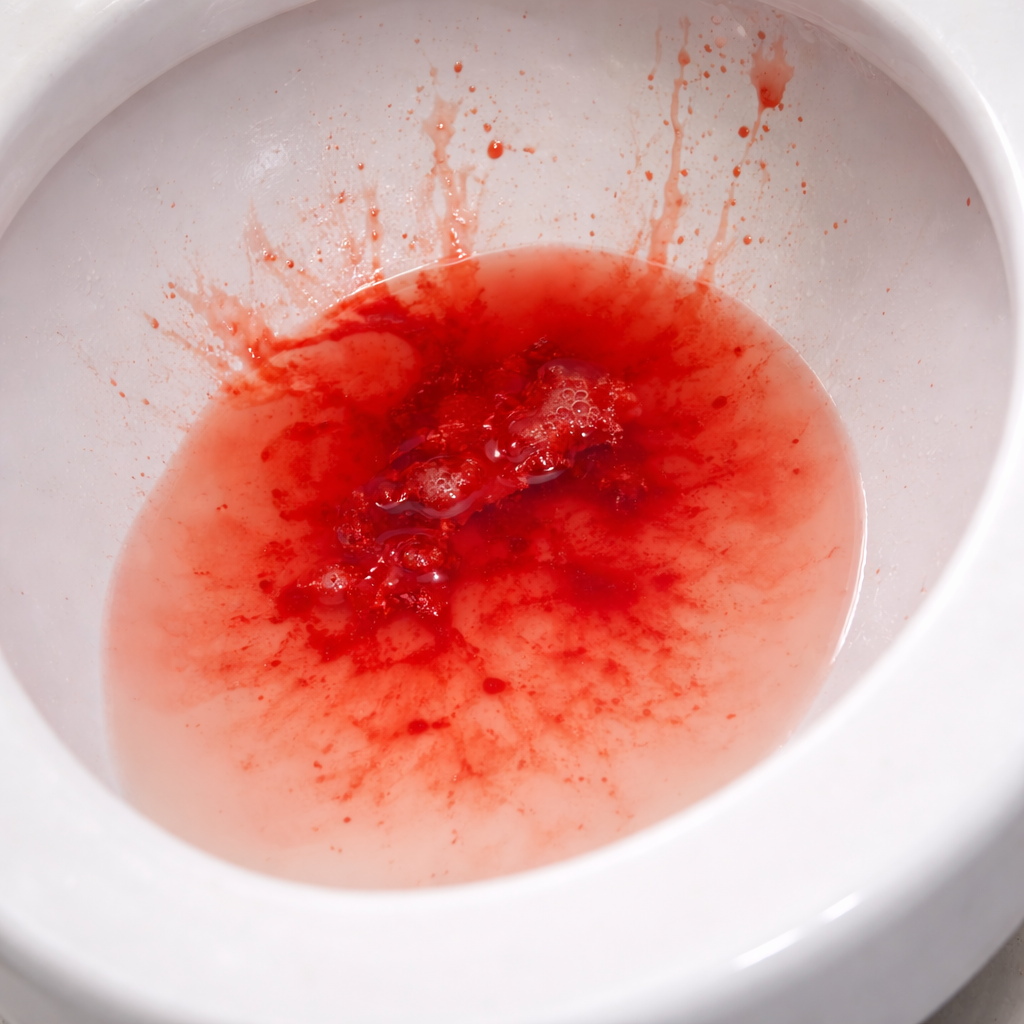
Few symptoms unsettle patients more than a change in bowel habit or the sight of blood where none should be. Stools, after all, are deeply … Read more
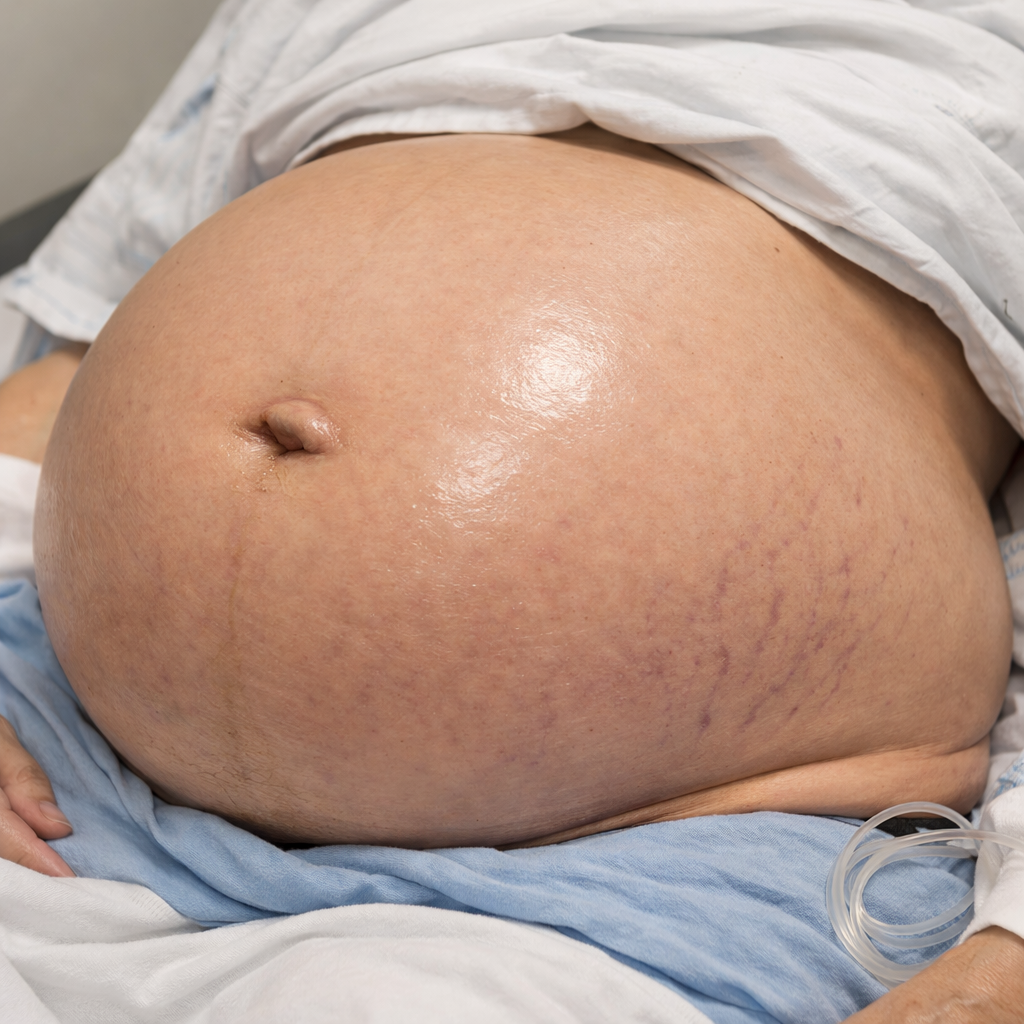
Abdominal swelling is one of those presentations that looks deceptively simple. The patient points to their abdomen and says, “Doctor, it’s getting bigger.” What they … Read more

In trauma, unpredictability is not an anomaly, it is the environment. You can be as prepared as any human being possibly can be: your drills … Read more
There is a particular kind of behaviour that appears after every conflict, every kinetic deployment, every traumatic event where clinicians and medics have intervened under … Read more